
Emerging Queen Wasps and Early Nests: What You Need to Know
As the days grow longer and temperatures start to rise, queen wasps emerge from hibernation, seeking suitable locations to build their nests. Early spring is a critical period in the wasp life cycle, and understanding their behaviour at this stage can help homeowners and businesses manage potential infestations before they escalate.
The Life Cycle of a Queen Wasp
During the colder months, fertilised queen wasps hibernate in sheltered locations such as lofts, sheds, tree bark, and wall cavities. Once spring arrives and temperatures consistently rise above 10°C, they awaken from dormancy and begin searching for nesting sites.
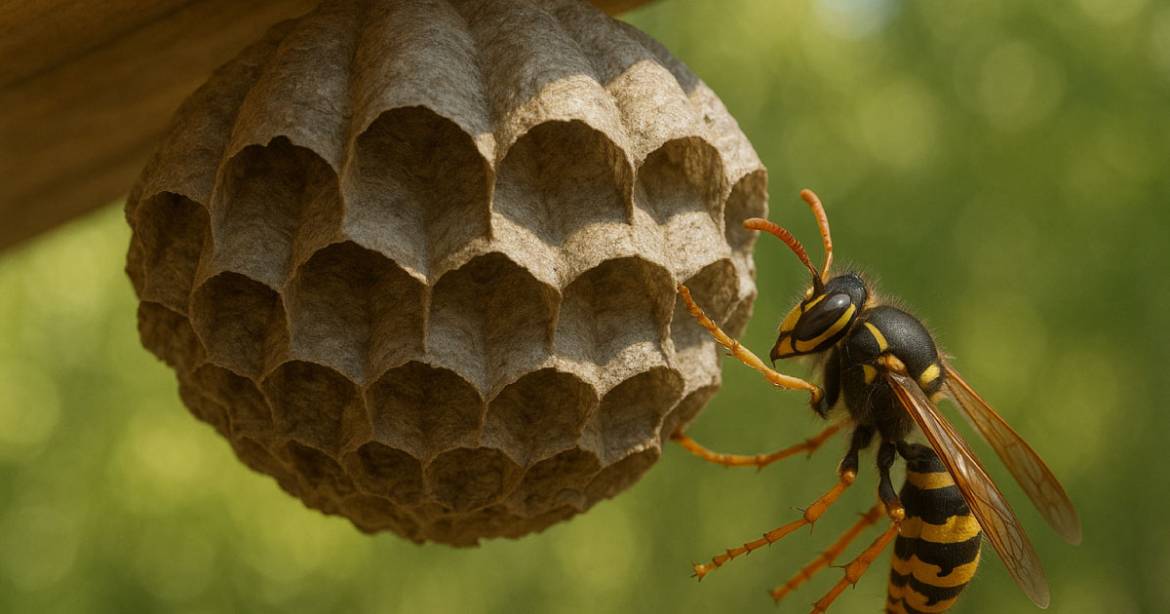
The queen wasp is solely responsible for starting a new colony. She constructs a small, golf ball-sized nest using chewed-up wood fibres mixed with saliva to create a papery substance. Inside, she lays her first batch of eggs, which hatch into worker wasps. These workers then take over nest-building duties while the queen focuses on egg-laying for the rest of the season. By mid to late summer, a wasp nest can house thousands of individuals.
Where Do Queen Wasps Build Their Nests?
Queen wasps favour dry, sheltered locations to establish their nests.
Common nesting sites include:
- Loft spaces and attics
- Sheds and garages
- Eaves and roof overhangs
- Wall cavities
- Hollow trees and garden furniture
- Disused rodent burrows
Since nests begin small, they are often unnoticed in early spring. However, as the colony grows, they become more obvious and problematic, particularly in areas where human activity is frequent.
Signs of an Early Wasp Nest
Spotting an emerging queen wasp does not necessarily mean a nest is present, but certain indicators suggest a developing infestation:
- Increased sightings of large, slow-moving wasps in early spring.
- Wasps entering and exiting a specific location repeatedly.
- Small, papery structures appearing in sheltered areas.
Identifying and addressing an early-stage nest is far easier than dealing with a fully established wasp colony later in the season.
 How to Manage Early Wasp Nests
 How to Manage Early Wasp Nests
1. Prevention Measures
- Seal Entry Points: Check for gaps in walls, rooflines, and around windows to prevent queen wasps from accessing potential nesting sites.
- Maintain Outdoor Spaces: Regularly inspect sheds, lofts, and eaves to spot early nests before they expand.
- Limit Food Sources: Wasps are attracted to sugary substances and protein-based foods, so keeping outdoor eating areas clean can discourage them.
2. Safe Removal of Small Nests
If a nest is smaller than a golf ball and has only a few wasps, it may be possible to remove it early. Using protective clothing and ensuring the queen is not inside, the nest can be gently detached and disposed of in a sealed bag. However, attempting removal without experience can be risky, especially if the nest is larger or difficult to access.
3. Dealing with Queen Wasps Indoors
If a queen wasp is found inside your home, opening windows and allowing it to leave naturally is usually the best course of action. Avoid swatting or provoking the wasp, as this may increase aggression.
Why Early Action is Important
Addressing a wasp nest early in the season prevents colonies from growing into larger infestations that can pose a significant nuisance in summer. By late summer, worker wasps become more aggressive as they seek out sugary foods and defend their nest. Taking proactive steps in spring can save homeowners and businesses from more disruptive and costly problems later in the year.
Need Help with Wasps?
Contact Avon Pest Control Today!
If you’ve noticed increased wasp activity or suspect an early nest on your property, Avon Pest Control’s expert team is here to help. Our professional and safe removal services ensure that wasp nests are dealt with efficiently before they become a larger issue.
Contact us today for advice and assistance in keeping your home or business wasp-free this season.